Southwark Council Garden Waste Rules for Bermondsey Gardeners: A Practical Local Guide
If you garden in Bermondsey, the rules around grass cuttings, hedge trimmings, and other green waste can feel a bit fiddly at first. One week you have a tidy pile of clippings after a quick mow; the next, you are wondering whether that sack of leaves can go in your normal bin, whether a clearance job needs separate disposal, or whether you are about to create an avoidable problem for yourself. This guide to Southwark Council garden waste rules for Bermondsey gardeners is here to make the whole thing simpler, calmer, and much more practical.
We will walk through what the rules mean in everyday terms, how garden waste is usually handled in Southwark, what to do with mixed garden rubbish, and how to stay on the right side of local expectations without making a meal of it. You will also find a step-by-step approach, a checklist, and a few real-world tips that are easy to apply on a wet Tuesday afternoon when the trimmings are piling up and the wheelie bin is already full. Let's face it, gardening is meant to be satisfying, not a paperwork puzzle.
Table of Contents
- Why Southwark Council garden waste rules for Bermondsey gardeners Matters
- How Southwark Council garden waste rules for Bermondsey gardeners Works
- Key Benefits and Practical Advantages
- Who This Is For and When It Makes Sense
- Step-by-Step Guidance
- Expert Tips for Better Results
- Common Mistakes to Avoid
- Tools, Resources and Recommendations
- Law, Compliance, Standards, or Best Practice
- Options, Methods, or Comparison Table
- Case Study or Real-World Example
- Practical Checklist
- Conclusion
- Frequently Asked Questions
Why Southwark Council garden waste rules for Bermondsey gardeners Matters
Garden waste sounds harmless, and most of the time it is. But once it is bagged badly, mixed with the wrong materials, or left in the wrong place, it can quickly become a nuisance. In a dense part of London like Bermondsey, where gardens, yards, shared access routes, and small outdoor spaces are common, good waste handling matters even more because space is tight and collections are less forgiving than a big suburban setup.
There is also a simple practical reason. If you understand the local rules, you waste less time sorting through bags later, avoid confusion on collection day, and reduce the chance of fly-tipping or contamination issues. That last part is not dramatic, just reality. A bag of hedge trimmings, soil, and a few broken pots is no longer straightforward green waste. It becomes mixed waste, and mixed waste usually takes more effort to deal with.
For Bermondsey gardeners, the rules matter whether you are doing a light tidy-up or a full seasonal clear. You might be cutting back climbers on a terrace, clearing leaves from a tiny patch of lawn, or dealing with a larger garden reset after winter. The better you understand garden waste handling, the easier it is to keep the space under control and the less likely you are to end up with bags sitting around for days. And nobody wants that smell in warm weather, truth be told.
Expert summary: treat garden waste as a sorting task first and a disposal task second. If you separate material properly from the start, everything else gets easier.
How Southwark Council garden waste rules for Bermondsey gardeners Works
At a practical level, garden waste rules usually revolve around what counts as green waste, what must be kept out of garden waste, and how it is presented for collection or disposal. The exact service arrangements can change, so the safest habit is to check the current Southwark Council guidance before putting anything out. That said, the everyday principles stay fairly consistent.
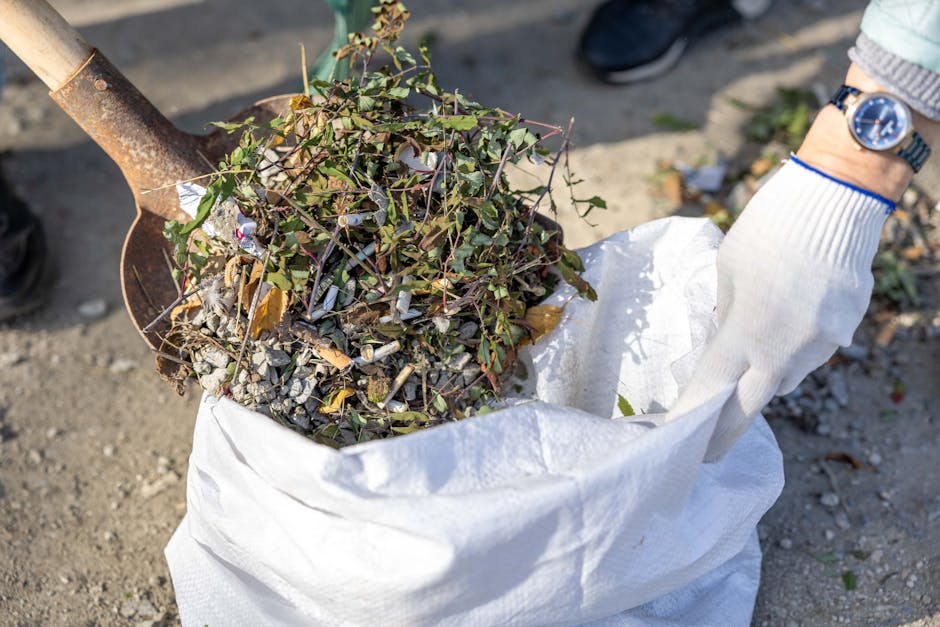
Typical garden waste includes things like grass cuttings, hedge trimmings, leaves, small branches, weeds, and prunings from shrubs. These are the materials most gardeners think of first. What usually causes trouble is contamination. Soil, rubble, stones, plastic ties, plant pots, and general household rubbish can turn a neat pile of green waste into something that no longer fits the intended stream.
If you are organising waste from a one-off job, think in categories. Organic cuttings go together. Woodier material may need separate handling if it is too bulky. Soil, broken terracotta, old compost bags, and timber offcuts are often a different matter altogether. In a small Bermondsey garden, the difference between a tidy pile and a mess can be just a few minutes of sorting at the start.
If your maintenance work also involves a bigger tidy-up, a garden clearance service or regular garden maintenance can help keep waste from building up in the first place. For larger overgrown areas, pruning, or seasonal resets, it is also sensible to plan the waste route before the work begins, not after.
One other point that is easy to miss: some materials that came from the garden are not automatically garden waste. Trellis, broken furniture, plastic edging, and leftover building materials from landscaping work should be treated separately. That distinction saves a lot of hassle later on.
Key Benefits and Practical Advantages
Following the rules properly does more than keep you compliant. It makes the whole gardening routine smoother.
- Cleaner collection day: properly sorted waste is easier to move, store, and present for collection.
- Less mess around the property: fewer loose bags, fewer spills, and fewer unwanted smells.
- Lower risk of rejection: mixed waste is more likely to be left behind or cause a problem.
- Better use of space: Bermondsey gardens are often compact, so efficient sorting matters.
- More sustainable outcomes: clean green waste is typically easier to recycle or process responsibly.
- Less stress: once you know what goes where, the job stops feeling like guesswork.
There is also a quieter benefit. Good waste habits make you more confident taking on small jobs yourself. You start to look at a hedge trim or lawn cut and immediately know how the offcuts will be managed. That saves time, yes, but it also makes the whole process feel less chaotic. And in gardening, calm is underrated.
Who This Is For and When It Makes Sense
This guide is useful for a broad range of Bermondsey gardeners. If you have a small courtyard, shared patio, front garden strip, roof terrace planting area, or a larger domestic garden, the same basic rules still apply. The volume of waste may differ, but the sorting principles are the same.
It makes particular sense if you are:
- doing regular lawn cutting or border tidying
- trimming hedges, shrubs, or climbers
- clearing fallen leaves in autumn
- replacing planting schemes and removing old growth
- preparing a property for sale or letting
- working through an overgrown garden after a long gap
- managing waste from decking, landscaping, or tree work alongside plant debris
It also helps if you are a landlord, property manager, or homeowner who wants to avoid complaints from neighbours or issues with overflowing bins. Shared residential access can be awkward when waste is left out for too long. A tidy, methodical approach usually prevents that. It is not glamorous, but it works.
If the garden job is bigger than a simple tidy-up, you may also want to look at services such as lawn mowing, hedge trimming, or tree lopping and removal, especially where the waste volume is likely to increase quickly. That is often the point where a do-it-yourself plan becomes more effort than it is worth.
Step-by-Step Guidance
Here is a practical way to handle garden waste without overcomplicating the job.
- Identify the waste type. Separate green waste from soil, rubble, plastic, and general rubbish before you begin bagging anything.
- Remove contamination early. Take out labels, plant pots, wire, string, stones, and anything else that does not belong.
- Break down bulky material. Long branches, thick stems, and hedge cuttings are easier to manage when cut into smaller sections.
- Keep the pile dry if possible. Wet waste is heavier and messier. A simple cover can help if rain is due.
- Use suitable bags or containers. Do not overfill them. If you cannot lift it comfortably, it is probably too heavy.
- Check local collection or disposal arrangements. Make sure you know whether the waste can go out for collection, needs a separate booking, or must be taken elsewhere.
- Store it safely until removal. Keep bags away from pathways, entrances, and shared access points.
- Review the end result. A quick final sweep catches small clippings and bits of debris that otherwise get trodden into the paving.
In practical terms, this sounds obvious. But the difference between a neat job and a frustrating one is usually in the first ten minutes. Sort first, then work. You will notice the whole thing goes faster.
If you are not sure how to tackle the garden itself before dealing with waste, a local services overview can help you map the right type of support, from routine upkeep to bigger clearances. That can be especially helpful when the job has grown legs, as these things do.
Expert Tips for Better Results
A few small habits make garden waste handling much easier.
Tip one: trim and clear in stages. For example, take the hedge down section by section and bag the cuttings as you go. If you leave everything until the end, the pile gets bigger and the task feels twice as long.
Tip two: keep a dedicated "not green waste" container nearby. A bucket for plastic ties, broken clips, stones, or random odds and ends saves time later. It sounds almost too simple, but it helps a lot.
Tip three: think about access. Bermondsey gardens often sit behind narrow side entrances or through shared hallways. If you know the route before loading bags, you avoid awkward dragging and accidental spills on paving. No one wants muddy leaves on clean steps.
Tip four: do the waste job at the same time as the gardening job. Once the cuttings have dried out, spread, or been moved around by wind, everything becomes more annoying.
Tip five: if you are dealing with seasonal waste, be especially alert in spring and autumn. Those are the times when jobs multiply quickly and the mix of leaves, soft growth, and woody trimmings can get messy fast.
One small but useful habit: take a photo of the waste setup before collection or disposal if there is any doubt about how much you have and what it contains. It is not always needed, but it can help if you later need to estimate the scale of the job for future maintenance. A bit nerdy? Maybe. Effective? Yes.
Common Mistakes to Avoid
Most garden waste issues are not caused by bad intent. They happen because people are rushing.
- Mixing materials: putting soil, broken pots, plastic, and green clippings into one bag is a classic mistake.
- Overfilling bags: heavy bags split easily, especially when moved through tight spaces.
- Leaving waste out too long: this can attract complaints, create clutter, and make the area look neglected.
- Ignoring bulky branches: a few large pieces can make a pile much harder to manage than expected.
- Forgetting about wet weather: damp cuttings are heavier and more awkward to handle.
- Using the wrong bin: garden waste is not the same as general household rubbish, and should be treated separately.
- Assuming all garden debris is recyclable together: not everything from the garden belongs in the same stream.
Another subtle mistake is starting work before you have decided where the waste will go. It sounds inefficient because it is. Once the hedge is halfway cut, the lawn is covered, and the bin is already full, options get narrower very quickly.
Tools, Resources and Recommendations
You do not need a huge kit to manage garden waste well. A few sensible tools do most of the work.
- Heavy-duty garden bags: useful for clippings, leaves, and prunings.
- Rake and leaf grabber: ideal for seasonal clearances and lawn tidy-ups.
- Secateurs and loppers: help reduce bulky waste into manageable pieces.
- Tarpaulin or sheet: handy for moving waste across a patio without scattering debris.
- Gloves and sturdy footwear: basic, but worth mentioning because sharp stems and hidden debris do happen.
- Wheelbarrow or trug: useful for moving loads through narrow paths.
For ongoing maintenance, a consistent schedule works better than occasional heroic effort. If you keep on top of mowing, pruning, and light clearance, the waste stays manageable. Services such as garden maintenance or recycling and sustainability guidance can also help shape better habits around disposal and greener choices.
If the garden itself needs reshaping before waste can be controlled properly, broader work like landscape gardening, landscaping, or even decking services may change the type and volume of waste you need to handle. Planning those jobs in the right order saves a lot of backtracking later.
Law, Compliance, Standards, or Best Practice
For garden waste, the key thing is to follow the current Southwark Council rules and present waste in the way the council expects. That is the practical compliance baseline. Where guidance changes, the safest approach is to treat the most recent official local instructions as the deciding factor, not hearsay from a neighbour or an old printed note in a kitchen drawer.
From a best-practice point of view, there are a few principles worth sticking to:
- keep waste streams separate where practical
- avoid contamination with non-organic materials
- do not block shared walkways or entrances
- store waste safely if it must wait for removal
- avoid creating fly-tipping risks by dumping material in the wrong place
If you hire help for the job, it is sensible to work with a provider that handles waste carefully and follows good site practice. That means checking they understand safe handling, clean-up, and any relevant insurance arrangements. The same level of care should apply whether the job is a quick hedge trim or a more involved clearance.
For reassurance around service standards and practical expectations, it can also be worth reviewing a company's health and safety policy, insurance and safety information, and terms and conditions. That does not replace council rules, of course, but it does help you judge how carefully the work is being managed.
Options, Methods, or Comparison Table
There is more than one way to handle garden waste in Bermondsey. The right choice depends on how much material you have, how quickly you need it gone, and whether the waste is clean green waste or a mixed pile from a bigger project.
| Option | Best for | Pros | Watch-outs |
|---|---|---|---|
| Home sorting and council collection | Light to moderate green waste | Simple, familiar, low disruption | Needs correct separation and presentation |
| DIY bagging and private disposal | One-off clearances or mixed volumes | Flexible timing, full control | More lifting, travel, and manual effort |
| Professional garden clearance | Overgrown gardens, bulky cuttings, mixed waste | Fast, convenient, less stress | Costs more than doing it yourself |
| Regular maintenance plan | Ongoing tidiness and predictable waste | Prevents build-up, easier scheduling | Requires consistency |
In practice, the best route is often a mix. A Bermondsey homeowner might keep on top of weekly lawn care and light pruning, then book clearance support after a bigger seasonal cut-back. That keeps the waste manageable without turning every garden job into a mini expedition.
Case Study or Real-World Example
A small Bermondsey courtyard garden is a good example. The space had a compact lawn, two mature shrubs, and a narrow passage to the street. After a few months of growth, the hedge had become shaggy, the lawn needed a cut, and a layer of leaves had built up in the corners. Nothing dramatic, just one of those jobs that quietly gets bigger.
The first step was to separate the materials: lawn cuttings in one pile, hedge trimmings in another, and leaves in a third. A few plastic plant labels and bits of twine were removed immediately. That small bit of sorting saved a lot of time later. The owner then decided to tackle the lawn with a routine mowing service and use a clearance approach for the hedge waste, because the amount of cuttings was more than would comfortably fit in the home bin.
What made the job easier was not any fancy technique. It was planning. The waste was bagged in manageable loads, the route to the front was kept clear, and everything was removed the same day. The garden looked calm again by late afternoon, and the owner did not have a row of awkward bags sitting by the fence until the next collection. Small win, but a real one.
That is often how good garden waste management works in Bermondsey. Not with drama. Just steady, practical decisions, one step at a time.
Practical Checklist
Use this checklist before you start any garden job that will create waste:
- Have I checked the current Southwark Council guidance?
- Do I know which materials count as green waste?
- Have I separated soil, rubble, plastic, and general rubbish?
- Do I have enough bags, containers, or space for the waste?
- Will the waste fit safely through the access route?
- Am I expecting bulky branches or mixed materials?
- Do I need a clearance service rather than a simple tidy-up?
- Have I planned where the waste will sit until removal?
- Have I got gloves, tools, and a tarp if needed?
- Is the area clear enough for a final sweep after the job?
If you can tick most of those off, you are in good shape. If not, pause for a minute and sort the plan before the clippings start piling up. It saves hassle. Usually a lot of it.
Get a free quote today and see how much you can save.
Conclusion
Southwark Council garden waste rules for Bermondsey gardeners are easiest to deal with when you treat them as part of normal garden planning, not as an afterthought. Sort green waste properly, keep non-garden materials separate, and choose the right disposal route for the size of the job. That approach keeps your space tidier, reduces mistakes, and makes every future garden task feel more manageable.
For small, regular work, simple habits are enough. For larger pruning jobs, overgrown clearances, or mixed garden waste, a more structured plan is worth it. Either way, the goal is the same: a cleaner garden, less stress, and no unnecessary surprises on collection day. And that, to be fair, is a pretty good result.
If you want help keeping your Bermondsey garden tidy through the seasons, think of waste handling as part of the overall care, not a separate chore. Once that clicks, the whole thing becomes much less annoying. A bit more orderly. A bit more peaceful. That is the real win.
Frequently Asked Questions
What counts as garden waste in Bermondsey?
Garden waste usually means grass cuttings, hedge trimmings, leaves, weeds, small branches, and prunings. Soil, rubble, plastic, and household rubbish are usually not treated as garden waste and should be separated.
Can I put garden waste in my normal bin?
Usually no, at least not as a catch-all solution. Garden waste should be handled according to the current council guidance and any collection arrangements that apply locally. Mixed or bulky waste needs extra care.
Do hedge cuttings count as green waste?
Yes, hedge cuttings are generally part of green waste. If they are mixed with wire, ties, or plastic netting, those contaminants should be removed first.
What should I do with soil from a garden job?
Soil is usually treated separately from green waste. It can be heavy, messy, and difficult to dispose of if mixed with clippings, so it is best kept in its own pile.
How do I stop garden waste becoming a nuisance before collection?
Bag it neatly, keep it covered if possible, and store it somewhere that does not block access routes or attract pests. Sorting the waste early also helps keep the area under control.
What if my garden waste includes branches and thicker wood?
Thicker branches often need to be cut down into manageable pieces. If the volume is large, or the material is awkward to move, a clearance service may be the better option.
Is professional garden clearance worth it?
It often is when the garden is overgrown, the waste is bulky, or access is awkward. A professional clearance can save time and reduce the physical strain, especially in smaller Bermondsey properties.
How often should I deal with garden waste?
For most gardens, it is better to deal with waste as you go rather than let it build up. Light weekly or fortnightly maintenance usually keeps the job manageable.
Can mixed garden and household waste go out together?
Generally, no. Garden waste and household waste are normally handled differently. Keeping them separate is one of the simplest ways to avoid problems.
What is the biggest mistake Bermondsey gardeners make with waste?
The most common mistake is mixing clean green waste with soil, plastic, and other debris. That turns a simple disposal job into a much more awkward one.
Where can I get help if the job is too big to do myself?
If the waste is beyond a simple tidy-up, look at local garden clearance, maintenance, and related services that can handle the job in a structured way. It is often the quickest route when time, access, or volume becomes the issue.
Does weather affect how I should handle garden waste?
Yes. Wet weather makes cuttings heavier and more awkward, and leaves can become slippery underfoot. If possible, store waste under cover until it is ready to be removed.