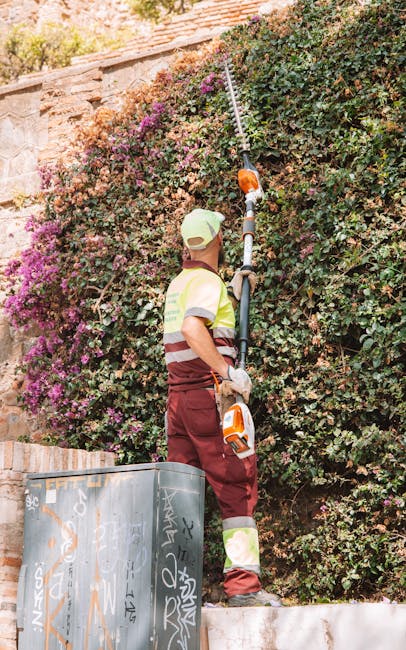
Permits for Bermondsey hedge work gardeners guide
If you are planning hedge work in Bermondsey, the permit question can feel oddly confusing. One minute you are just trimming a boundary hedge, the next you are wondering whether a skip, scaffold, pavement licence, neighbour consent, or something from the local authority is needed. This Permits for Bermondsey hedge work gardeners guide is here to make that easier. It explains what usually needs permission, what normally does not, and how a professional gardener will approach the job without creating avoidable delays.
Truth be told, most hedge jobs are straightforward. But Bermondsey is a busy part of London, with tight streets, shared access, parked cars, pedestrians, and the occasional awkward boundary line. That means the practical side matters just as much as the gardening side. Below, you will find a clear, human guide to permits, planning, safety, and the small details that can save a lot of trouble later.
Table of Contents
- Why Permits for Bermondsey hedge work gardeners guide Matters
- How Permits for Bermondsey hedge work gardeners guide Works
- Key Benefits and Practical Advantages
- Who This Is For and When It Makes Sense
- Step-by-Step Guidance
- Expert Tips for Better Results
- Common Mistakes to Avoid
- Tools, Resources and Recommendations
- Law, Compliance, Standards, or Best Practice
- Options, Methods, or Comparison Table
- Case Study or Real-World Example
- Practical Checklist
- Conclusion
- Frequently Asked Questions
Why Permits for Bermondsey hedge work gardeners guide Matters
Hedge work sounds simple until it touches the public realm. A hedge close to a pavement, road, alley, shared garden wall, or neighbour's boundary can trigger extra steps. Sometimes the issue is not the hedge itself, but how the work is carried out: where the waste is placed, whether branches overhang a path, whether access is blocked, or whether equipment is used from the street.
In Bermondsey, that matters because space is at a premium. A pruning job outside a terraced property may need careful timing, clear signage, and tidy waste handling. A larger cutback near a front boundary may need temporary access arrangements. And if the hedge work forms part of wider garden improvements, the project may move beyond routine maintenance into something that needs more planning. If that sounds familiar, services like regular garden maintenance and hedge trimming are often the practical starting point.
There is also a trust angle. A gardener who checks the rules before cutting is usually the one who also thinks about safety, waste, and finish quality. That is not just nice-to-have. It is the difference between a neat, low-stress visit and a messy one with complaints from neighbours. And nobody wants that on a damp Tuesday morning.
Expert summary: Most hedge work in Bermondsey does not need a special "hedge permit" in the way people often imagine, but access, waste, highway use, protected trees, and boundary issues can all change the picture quickly.
How Permits for Bermondsey hedge work gardeners guide Works
The easiest way to think about permits is to split the job into four questions:
- Is the hedge fully within private property?
- Will any part of the work affect a pavement, road, or shared access area?
- Does the hedge sit near a tree, wall, conservation-sensitive setting, or shared boundary?
- Will the job create waste, obstruction, or safety risks that need managing?
If the answer to the first question is yes and the others are no, you are usually in routine maintenance territory. That means a standard hedge trim, seasonal reduction, or tidy-up. No drama. If the work involves street-side access, a van that must park awkwardly, cutting that affects the public footway, or waste bags left outside while loading, then you may need to think about permissions, timing, and practical controls.
In real life, gardeners often handle this in stages. They assess the hedge, check access, decide whether the cutback is light maintenance or a more substantial reduction, and then plan the safest way to work. If the job is part of a larger outdoor refresh, it may sit alongside landscape gardening or even broader landscaping work, where the need for coordination is higher.
A sensible approach is to treat permits as part of the project plan, not a separate headache. That way the hedge is trimmed once, properly, and you avoid the classic last-minute scramble: "Can we block the pavement for ten minutes?" Better to ask first. Always better.
Key Benefits and Practical Advantages
When permit checks are done well, the benefits are not abstract. They show up in the actual experience of the job.
- Fewer delays: no stopping mid-job because access, waste placement, or parking was overlooked.
- Cleaner outcomes: the hedge is cut and cleared in one visit rather than left half-finished.
- Less neighbour friction: planned work is less likely to cause complaints about noise, obstruction, or debris.
- Better safety: the team can work without squeezing around cars, bins, or pedestrians.
- More accurate pricing: once access and permissions are clear, quotes are usually more realistic.
- Stronger property care: hedges are shaped without damaging walls, fencing, or nearby planting.
There is a quieter benefit too: confidence. You can book the job knowing the basics have been thought through. If you have ever watched a gardener try to manoeuvre cut branches around a narrow Bermondsey pavement while traffic keeps inching past, you will know why confidence matters. It is not glamorous, but it is the sort of thing that separates a smooth job from a stressful one.
If hedge work is part of a fuller tidy-up, it can make sense to combine it with garden clearance or even tree lopping and removal where appropriate, because one planned visit is often easier than three separate ones. That said, combining tasks only works when the access and compliance picture is clear. No shortcuts. Not worth it.
Who This Is For and When It Makes Sense
This guide is for anyone dealing with hedge work in Bermondsey and trying to work out the practical side before the clippers come out. That includes homeowners, landlords, letting agents, property managers, and local businesses with boundary planting or street-facing greenery.
It is especially relevant if:
- your hedge borders a pavement or road;
- you need clippings removed from site;
- there is a shared driveway, alley, or communal garden;
- the hedge is tall enough to need ladders or extended equipment;
- you are planning a heavy reduction rather than a light trim;
- the hedge sits near mature trees, walls, fences, or decking;
- you want a one-off job handled cleanly alongside ongoing care.
If you only need a simple seasonal trim inside your own boundary, the job may be straightforward. But if you are in a terrace, a maisonette, or a tucked-away back garden with narrow access, the permit question becomes more relevant. To be fair, that is common in urban gardens. Space is tight, and even a decent-sized hedge can suddenly behave like it owns the whole street.
For people wanting ongoing support rather than one-off intervention, services overview is useful as a quick way to understand how hedge care fits into wider garden upkeep.
Step-by-Step Guidance
Here is a practical way to handle hedge work without muddling the permit side.
- Identify the hedge location. Check whether it is entirely on private ground or close to a public footway, parking bay, or shared access route.
- Confirm ownership or boundary position. If the hedge is on or near a boundary, check deeds, old plans, or past maintenance arrangements. If you are not sure, ask before cutting.
- Assess the scale of work. Light trimming is very different from a structural reduction or full reshaping. Bigger changes often need more planning.
- Look at access and loading. If waste will need to be moved through shared areas or loaded from the street, think about how that affects neighbours and pedestrians.
- Check for special constraints. Trees nearby, conservation concerns, or wall and fence proximity can change how the job should be done.
- Plan waste removal. Hedge cuttings take up more space than people expect. Honestly, they balloon. Have a disposal plan ready.
- Book the work with timing in mind. Quiet hours, school runs, parking pressure, and weather all affect how smooth the job feels.
- Keep a record. Even a quick note or text confirming agreed work, access, and disposal can save confusion later.
For many gardens, the practical order is: inspect, agree, trim, clear, and then tidy the surrounding area. If that sounds basic, good. The basics are usually where jobs succeed or go sideways.
Expert Tips for Better Results
One of the best ways to avoid permit trouble is to think like a site manager for ten minutes, even if it is only a hedge. A few small habits make a big difference.
- Keep the cut line inside your boundary where possible. It reduces disputes and keeps the job simple.
- Do not leave clippings on the pavement. Even briefly, they create trip risk and a bad impression.
- Choose the right season and weather window. Wet hedges, gusty wind, and dark evenings slow everything down.
- Use the right access method for tall hedges. If the job requires ladders or reach equipment, the setup needs to be safe and stable.
- Talk to neighbours early if shared space is involved. A quick conversation often prevents a complaint later.
- Group nearby jobs together. If you also need mowing or general tidying, it can be smarter to combine hedge work with lawn mowing or broader garden maintenance.
In our experience, the best hedge jobs are rarely the flashiest ones. They are the ones where the prep felt almost boring. And that is a compliment, by the way. Boring usually means safe, tidy, and uneventful. Lovely.
If sustainability matters to you, ask how the cuttings will be handled. Some clients prefer a neat removal with recycling-focused disposal where possible. That can align well with recycling and sustainability thinking, especially on bigger garden clearances.
Common Mistakes to Avoid
Most problems with hedge work are not caused by the pruning itself. They come from planning gaps.
- Assuming no permission is ever needed. If the job touches public space, check first.
- Cutting before confirming boundaries. This is a classic avoidable headache.
- Leaving waste for later. Hedge waste is bulky, awkward, and can become a nuisance fast.
- Ignoring neighbours' access needs. A blocked side path can turn into a complaint very quickly.
- Using oversized equipment in a tight area. Bigger is not always better. Sometimes it is just clumsier.
- Forgetting about height and reach safety. A hedge that looks "quick enough" can still be tricky once you are up there.
- Mixing garden works without a plan. Trimming, clearance, and structure work need sequencing.
One little mistake can snowball. You might start with a simple trim and end up needing a second visit because the waste van could not park properly. Not the end of the world, but annoying. Avoidable too.
Tools, Resources and Recommendations
You do not need a huge toolkit for every hedge job, but the right tools matter. For routine work, gardeners will usually rely on hedge trimmers, hand shears, loppers, gloves, eye protection, and secure access equipment where needed. For larger or more awkward hedges, planning matters as much as the tools.
Useful practical resources include:
- Property boundary documents: to check ownership and responsibility.
- Job notes and photos: especially before and after work, if the hedge is shared or contentious.
- Waste plan: bins, collection, removal vehicle access, or green waste handling.
- Risk check: a quick assessment of trip hazards, overhead obstructions, and slippery ground.
- Service information: if hedge work is part of a wider project, service options overview helps you see what fits together.
For people comparing provider qualities, practical concerns matter more than sales language. Look for clear communication, tidy arrival, sensible scheduling, and a willingness to explain what is and is not included. If a gardener can explain the permit side in plain English, that is usually a good sign. Fancy jargon is cheap; clarity is better.
It may also help to review business policies like health and safety policy and insurance and safety if you want reassurance about how a professional team handles risk and responsibility.
Law, Compliance, Standards, or Best Practice
For hedge work in Bermondsey, compliance is usually about doing the ordinary things properly rather than chasing a special permit for every cut. The main issues are access, obstruction, waste management, neighbour rights, and safety. Where work affects a pavement, road, or shared area, local permissions or controls may be relevant. Where hedges are part of a boundary dispute or near protected features, extra care is sensible.
It is also worth remembering that professional gardeners should work in line with standard UK expectations around safe use of tools, responsible waste handling, and clear customer communication. That means:
- working safely at height where applicable;
- keeping public areas free from debris and trip hazards;
- securing tools and waste during transport;
- communicating about likely disruption before work starts;
- avoiding damage to neighbouring property;
- being transparent about what the job includes.
If you are a landlord or managing agent, these basics matter even more because you are not just protecting a garden; you are protecting tenant experience and reducing avoidable complaints. The paperwork side can feel dull, but it saves time in the long run. Always.
For customers who like to check business terms before booking, pages such as terms and conditions, payment and security, and about us can help build confidence in how a service is run.
Options, Methods, or Comparison Table
Not every hedge job needs the same level of preparation. This simple comparison helps you choose the right approach.
| Job type | Typical permit concern | Best approach | Risk level |
|---|---|---|---|
| Light trim within private boundary | Usually low | Routine booking, tidy waste removal | Low |
| Hedge beside pavement or road | Access and obstruction | Plan timing, keep pathways clear, check local requirements if street use is involved | Medium |
| Large reduction or reshaping | More debris, equipment, and time | Allow longer setup, review safety and disposal | Medium |
| Shared boundary hedge | Consent or agreement issues | Confirm responsibility before cutting | Medium to high |
| Hedge work alongside broader clearance | Waste volume and access | Coordinate with clearance planning and loading logistics | Medium |
The table is simple on purpose. Most readers do not need a legal dissertation; they need to know whether their job is likely to be quick, coordinated, or potentially awkward. That is the real decision point.
Case Study or Real-World Example
Here is a realistic Bermondsey-style scenario. A homeowner has a tall front hedge running close to the pavement. It is not overhanging badly, but it has grown shaggy, and the lower section is making the entrance look a bit tired. The owner wants a tidy reduction before guests arrive at the weekend.
The first question is not "what trimmer do we use?" It is: can the work be done fully from inside the boundary, or will any cutting or waste handling affect the pavement? In this case, the gardener checks access, trims from the garden side where possible, lays down a clear waste plan, and keeps footway obstruction to zero. Because the hedge waste is bulkier than expected, a larger collection plan is arranged in advance. The job finishes cleanly, no one had to step around a pile of clippings, and the front of the property looks sharper by late afternoon.
Now imagine the same hedge, but with a shared side passage and tight street parking. Suddenly the setup matters much more. The gardener may need to adjust the schedule, reduce the footprint of tools on site, and keep an eye on whether any temporary street use needs to be checked before starting. Same hedge, very different job. That is why permit awareness is not overkill. It is just sensible.
It sounds small, but those tiny planning choices often decide whether the day feels calm or chaotic.
Practical Checklist
Use this before booking hedge work in Bermondsey.
- Confirm where the hedge sits in relation to your boundary.
- Check whether the work will touch pavement, road, or shared access.
- Decide whether the job is a trim, reduction, or fuller clear-up.
- Ask how clippings will be removed and where they will be stored during the job.
- Make sure access routes are open and safe.
- Check whether ladders, long-reach tools, or other height equipment may be needed.
- Speak to neighbours if the hedge is shared or close to their property.
- Plan around school runs, parking pressure, and noise-sensitive times.
- Bundle related tasks if it makes the visit more efficient.
- Keep any notes, photos, or messages that clarify what was agreed.
If you can tick all of those off, you are in a strong position. Not perfect, maybe. But strong enough for a smooth job, and that is usually what people want.
Get a free quote today and see how much you can save.
Conclusion
Permits for hedge work in Bermondsey are not usually about chasing complicated paperwork for every garden task. More often, they are about understanding when a job stays private and when it starts affecting public space, shared access, waste handling, or neighbour boundaries. Once you see it that way, the whole subject becomes much less intimidating.
The best hedge work is planned, tidy, and respectful of the surroundings. That means clear boundaries, safe access, sensible timing, and proper clean-up. It also means choosing a gardener who thinks ahead instead of reacting on the day. That little bit of planning can save a surprising amount of hassle.
If you are ready to get your hedge sorted properly, the sensible next step is to talk through the layout, access, and any permit concerns before booking. A good gardener will welcome that conversation. And honestly, so should you. A neat hedge, a quiet street, no stress. Hard to argue with that.
Frequently Asked Questions
Do I need a permit for hedge trimming in Bermondsey?
Usually, a simple hedge trim on private property does not need a special permit. The situation changes if the work affects pavements, roads, shared access, or other public areas. If you are unsure, it is worth checking before the job begins.
What counts as hedge work that might need permission?
Jobs that involve street access, obstruction of public space, large volumes of waste, or equipment placed outside the property are the main ones to watch. Shared boundaries and nearby trees can also make a job more sensitive.
Can a gardener work on a hedge that borders the pavement?
Yes, but the work needs to be planned carefully. The gardener should avoid blocking the pavement, keep debris controlled, and think through access and safety. If any street use is involved, local permission may be relevant.
Who is responsible for a boundary hedge?
That depends on ownership and any agreements between neighbours or landlords. In some cases, the hedge is entirely within one property; in others, responsibility is shared or disputed. Checking before cutting is the safest option.
Do I need neighbour permission for hedge work?
Not always, but it is often a good idea if the hedge sits on a shared boundary or work may affect their access, light, or privacy. A quick conversation can prevent friction later.
What if the hedge work creates a lot of waste?
Hedge clippings can be bulkier than people expect. You should plan for removal in advance, whether that means collection, loading, or another disposal method. Leaving waste stacked outside is asking for trouble, really.
Is hedge work different if it is part of garden clearance?
Yes. Once hedge work becomes part of a larger clearance job, waste volume, access, and timing become more important. In that situation, it can help to combine the work with garden clearance planning so everything is handled together.
How do I know if my hedge is too high or awkward for a quick DIY job?
If you need unstable ladders, long-reach tools, or awkward positioning near walls or pavement, it is probably better handled by a professional. High hedges and tight Bermondsey access can be trickier than they first look.
What should I ask a gardener before booking hedge work?
Ask how they handle access, waste removal, neighbour considerations, and safety. It also helps to ask whether they see the job as simple maintenance or part of a larger garden project.
Can hedge trimming be done together with lawn mowing?
Yes, and that is often efficient if the timing and access work well. Combining hedge work with lawn mowing or ongoing garden maintenance can save time and reduce repeated disruption.
What is the safest way to prepare for hedge work on a busy street?
Clear the access route, remove obstacles, keep waste plans ready, and avoid leaving tools or cuttings where people pass by. If the work may affect public space, plan it carefully and communicate clearly with anyone involved.
Where can I check more about the company's service approach?
You can review helpful pages such as services overview, pricing and quotes, and insurance and safety to understand how a professional service is structured.